Norwich: 01603 760866
Ipswich: 01473 255948



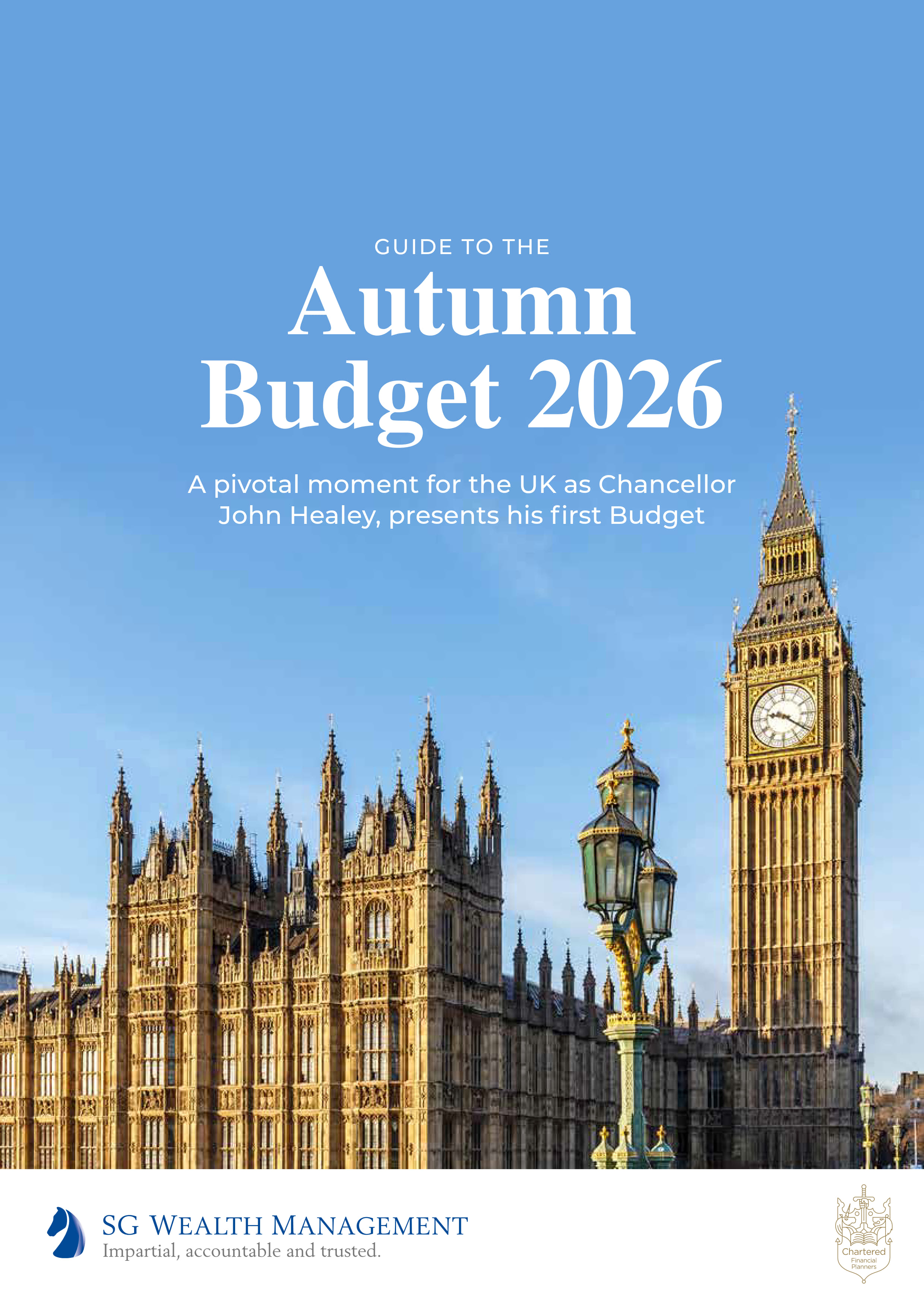
The Chancellor, John Healey, announced his first Autumn Budget on 28 October 2026.
As ever, speculation was rife in the build up to the event, particularly in terms of amendments to land and asset taxes. In the end, however, there was very little to unpack from a financial planning standpoint. Rather, the government opted for a range of targeted measures to ease both the cost of living and doing business.
With that said, there were some measures still worth considering as part of your financial planning. Looking further ahead, changes from April 2027 highlight the importance of keeping your financial plans under review. As previously announced, most unused pension funds are expected to become subject to Inheritance Tax, which could affect decisions around retirement income, gifting and passing wealth to the next generation.
Taxes on savings and property income are also set to rise, which could affect those relying on these assets for additional income. On a positive note, however, the £20,000 ISA allowance will remain, continuing to provide valuable flexibility for tax-efficient saving and investing.
Key announcements
- Income Tax on property and savings to rise to 24% (basic), 44% (higher) and 49% (additional) respectively from April 2027.
- The proposed changes to Cash ISAs has been scrapped, meaning the £20,000 allowance remains for all.
- Income Tax, National Insurance and VAT all remain frozen until April 2031.
- As above, the same is true for Dividend and Capital Gains Tax rates.
- Unused pensions will count towards your estate from an Inheritance Tax perspective from April 2027. This was previously announced.
- The ‘two-year’ rule on pension death benefits has been removed with immediate effect.
- The lifetime limit for Business Asset Disposal Relief has been halved to £500,000 from April 2027.
- The First Time Buyer ISA will be introduced to replace the Lifetime ISA from April 2029.
- A Founders’ Relief will be introduced from April 2027, maintaining a Capital Gains Tax rate of 10% on up to £10 Million of gains for high-growth founders.
Download your summary
To find out more about the announcements and how they might impact your financial planning arrangements, download your summary today.
To discuss your circumstances and how our holistic financial advice can help you meet both your needs and ambitions for the future, get in touch.
Important information
The information provided is for general guidance only and reflects our understanding of HMRC rules at the time of writing. It does not constitute legal, tax, or accounting advice. Employers should seek specific advice from their accountant or tax adviser to ensure the approach taken is appropriate for their circumstances.
Back to News